To refresh a room without buying new furniture, begin by removing visual clutter and changing one small area. For fall, add warmth through a color already connected to your room, then adjust the pillow arrangement and nearby objects. The sofa, tables and larger pieces can stay exactly where they belong if they still work for you.
Clear one area so you can see it again
Start with the sofa and the table beside it. Remove the pillows, extra throws and decorative objects temporarily. Leave the furniture in place and look at the remaining colors: upholstery, wood, walls, flooring and the nearest rug.
Choose one problem to solve. The room may feel too pale, too crowded or disconnected from a piece of artwork. Those are different problems, so they call for different changes. Do not add warm colors automatically if the room already has plenty of brown and red.
Keep the objects you use every day within reach. A refreshed room should still support reading, conversation or watching a film. If the side table becomes a display with nowhere for a glass, the styling needs another edit.
A soft sage-and-terracotta pattern can introduce a seasonal shift without a strong contrast. Consider it when the room is already warm and needs a little pattern rather than another dark focal point.
Choose one fall color from the existing room
Look for an underused color in the rug or artwork. Rust, olive, cream and madder red are useful options, but the best choice is the one with a reason to be there. Repeat it at sofa height, then see whether the room feels more connected.
A beige, green and rust landscape can bring several existing tones together. On a cream sofa near wooden furniture and a plant, it provides a connection without requiring matching accessories.
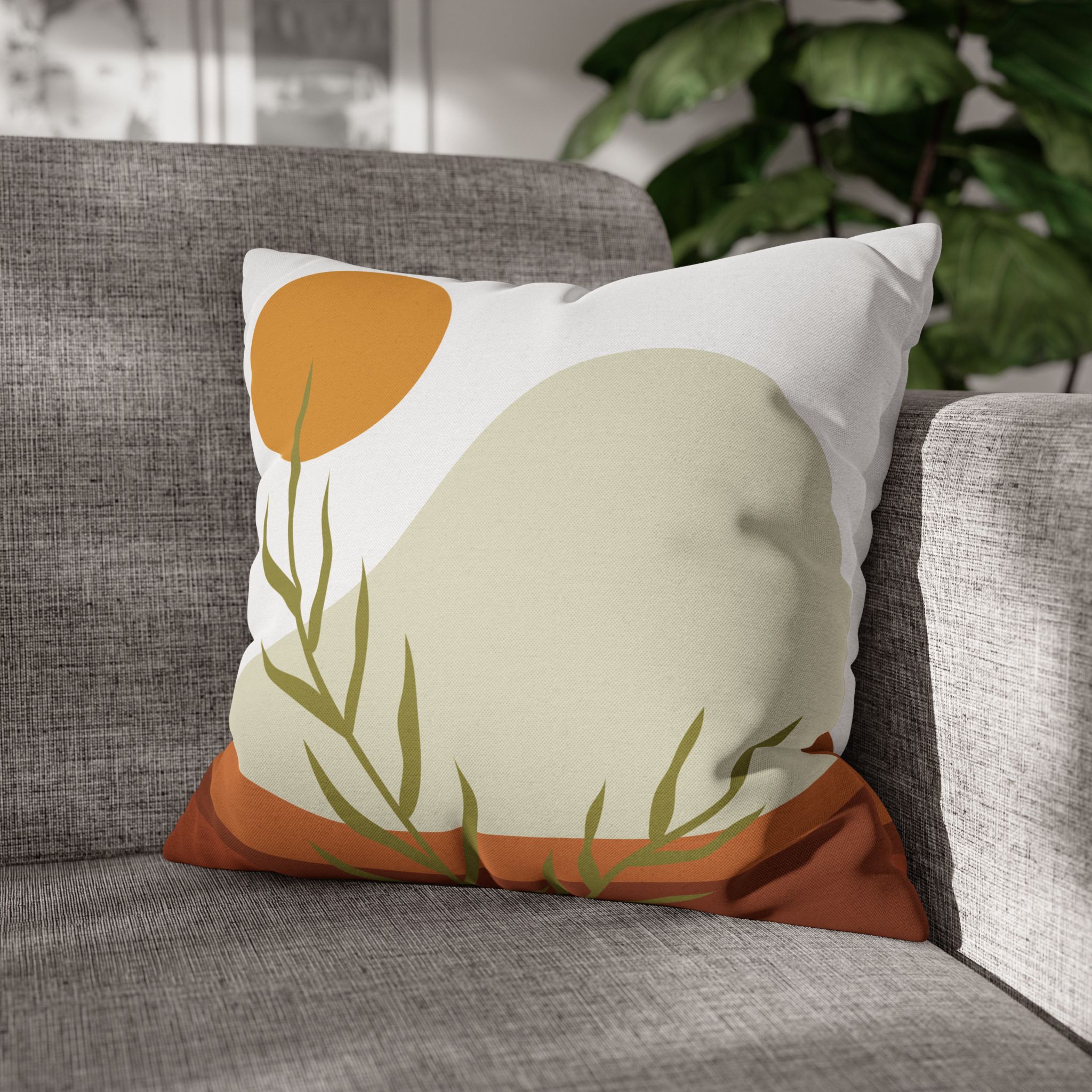
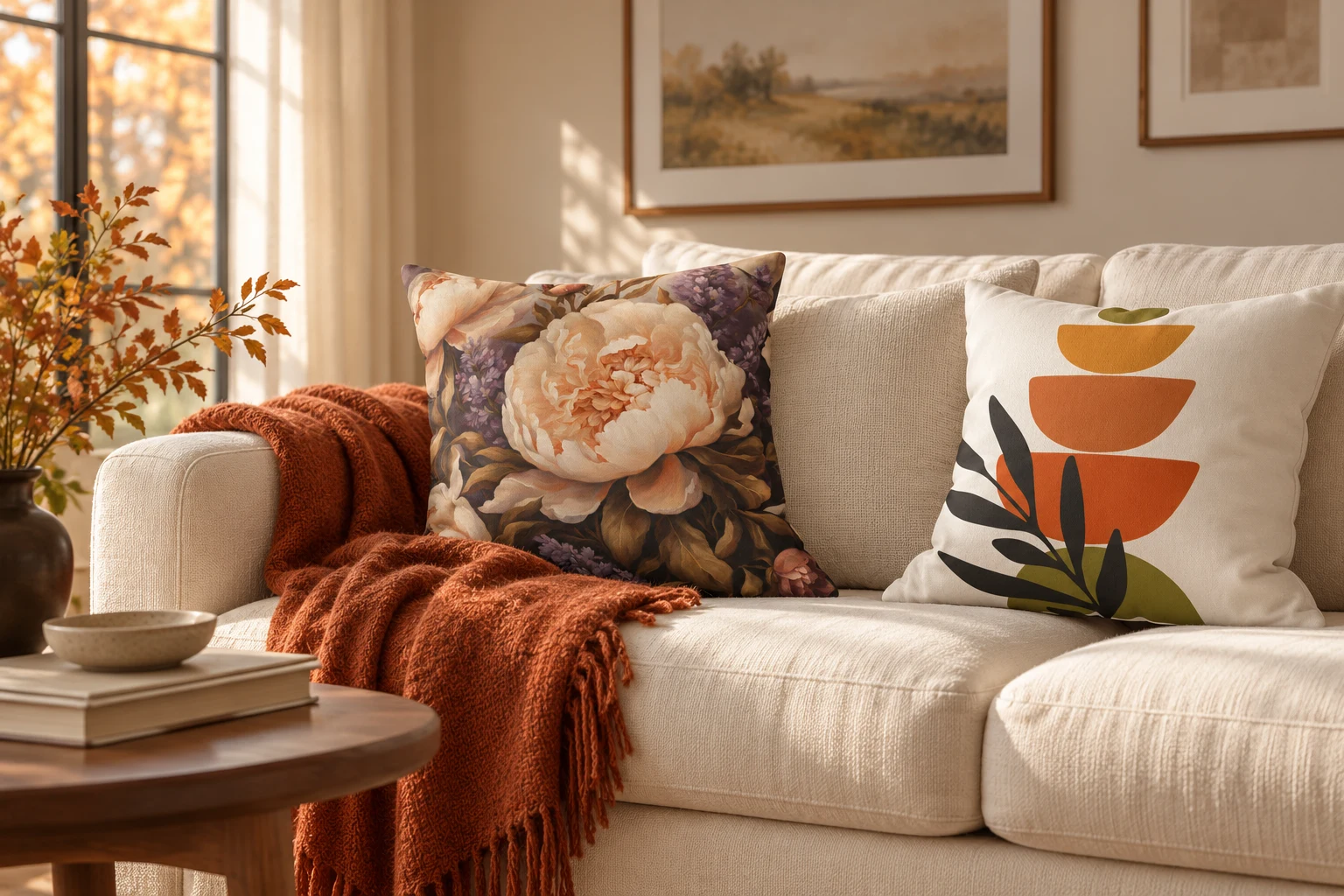
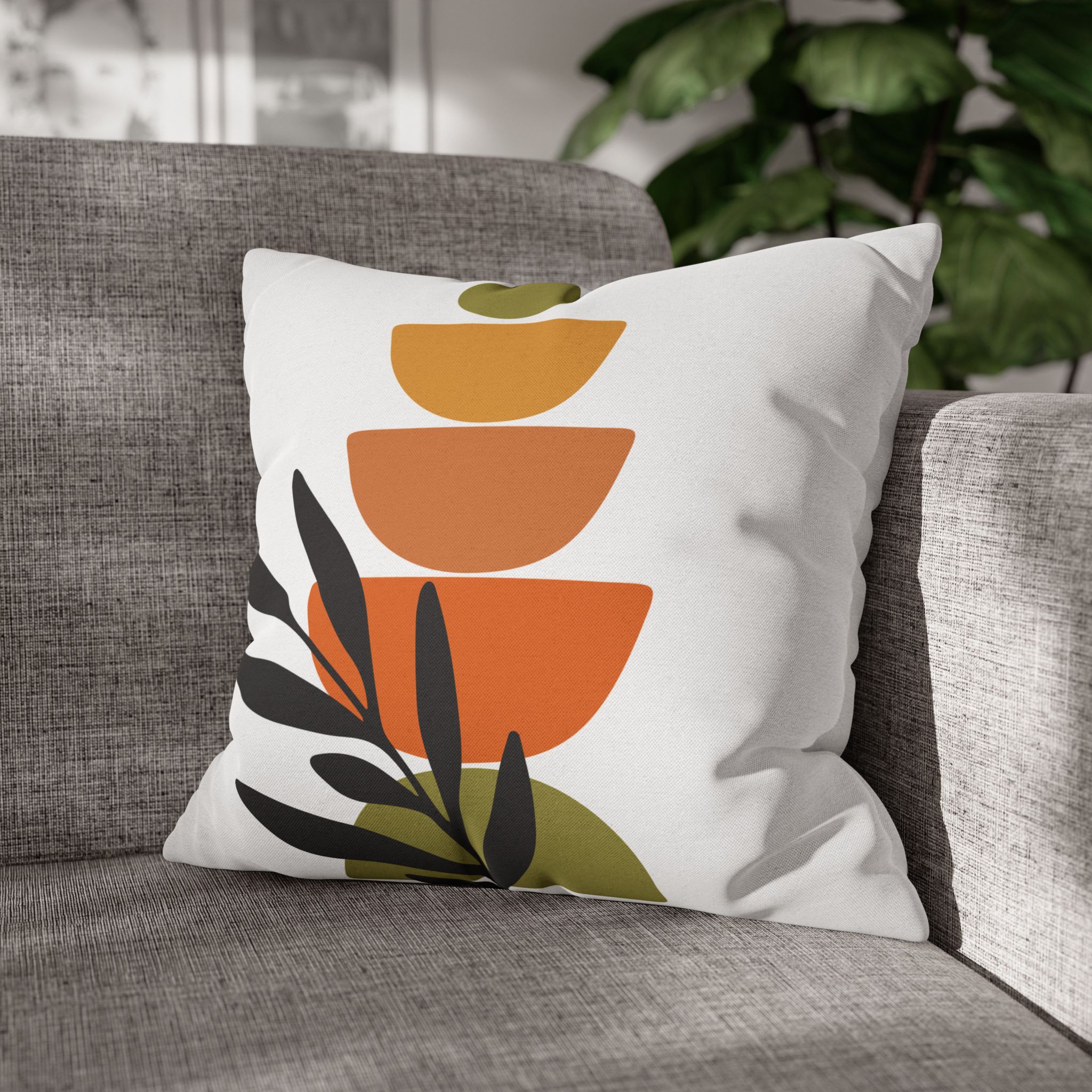
A terracotta, mustard and olive geometric design gives a stronger shape. Let one of its colors become the main accent and keep the others secondary. You do not need three new objects to repeat every shade in the print.
Check the colors under your normal evening lighting as well as in daylight. A scheme that looks subtle near a window may become darker or warmer under lamps. If it feels heavy, introduce a lighter area before adding more color.
Change the pillow arrangement before changing the furniture
Put back fewer pillows than you removed. Start with one anchor near an arm and one smaller partner, then sit down. Add a third only if it improves the balance without taking over the seat.
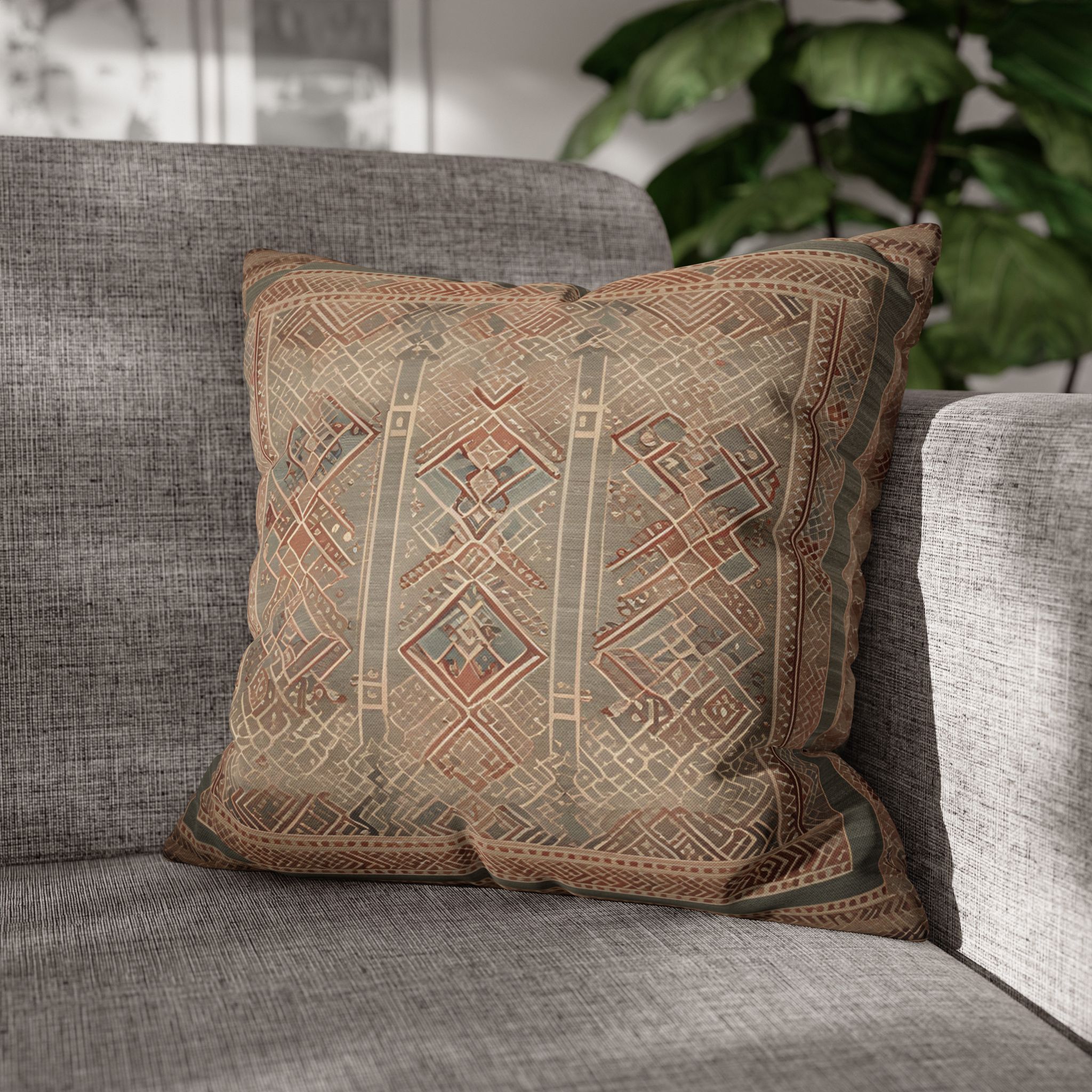
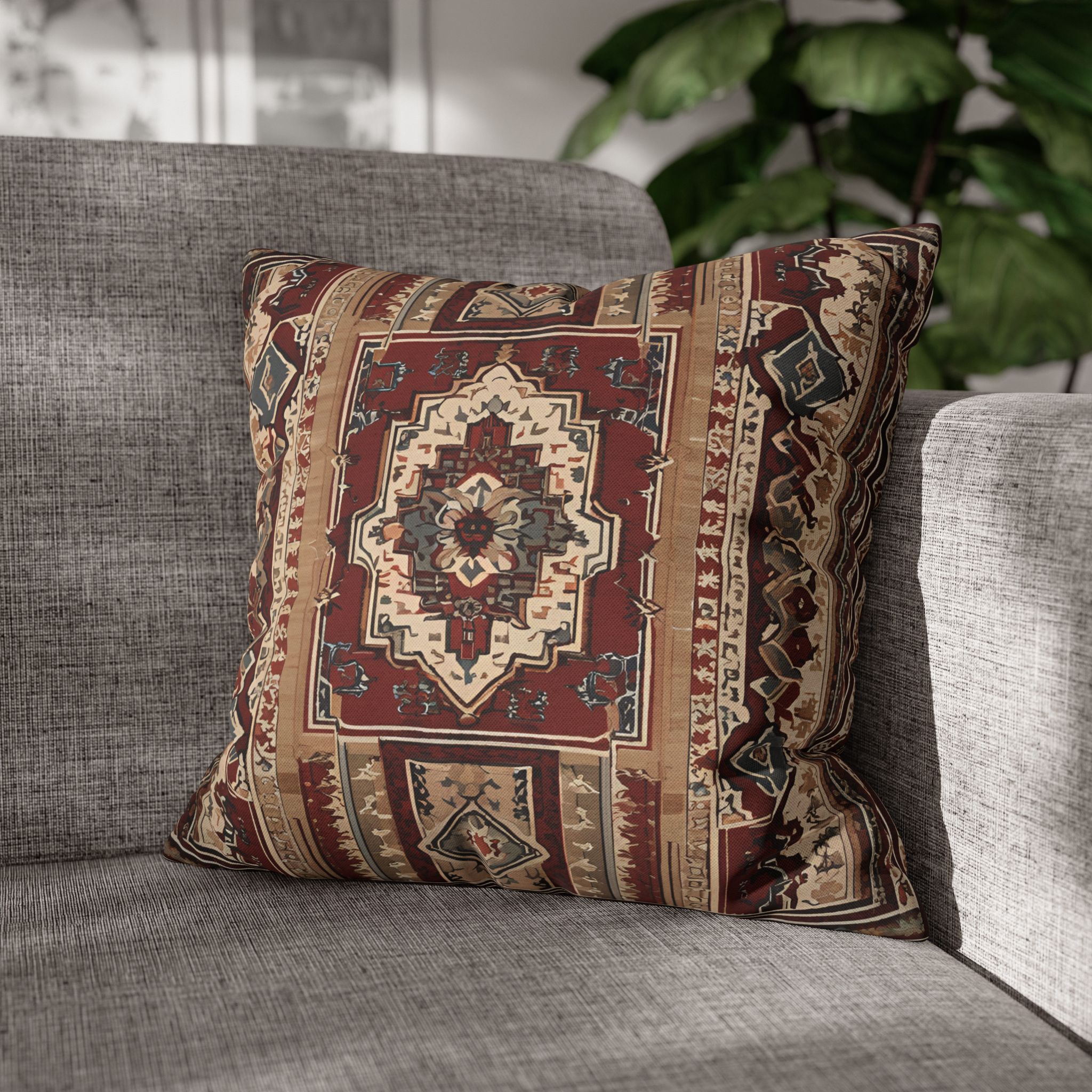
A rug-inspired red medallion can become the focal print on a plain sofa. Its ivory details give you a lighter connecting color for an existing cushion or throw. Leave enough of the center visible to show why you chose it.
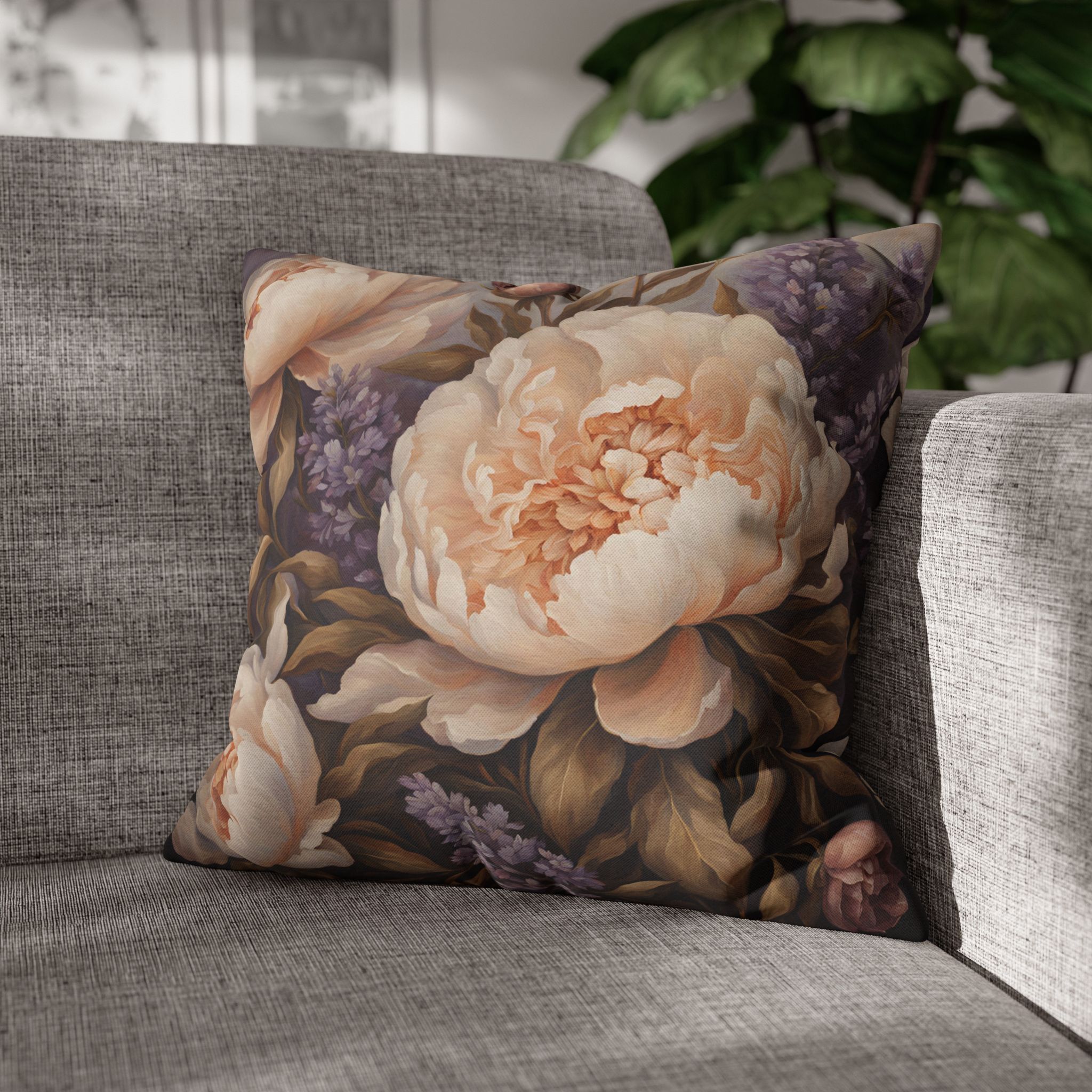
A dark floral provides another kind of focal point. Cream peonies on umber can connect pale upholstery with dark wood and bring a deeper area into a light room.
These are alternative directions, not a requirement to use every design together. If the medallion already gives the sofa enough detail, move the floral idea to a bedroom or save it for another arrangement.
A useful first layout is one 20-inch pillow and one 18-inch partner, adjusted for your sofa’s depth. For a small chair, try one 14 or 16-inch cover instead. Consult the size guide before ordering covers for existing inserts.
Move a few objects between rooms
Choose one object that repeats a pillow color and try it near the seating area. A green bowl from the kitchen, a cream vase from a shelf or a reddish book jacket may be enough. Use what you own before deciding the room needs another purchase.
Move a lamp only if the new position still serves the way you use the room. A reading corner benefits from light where you sit, not simply from a lamp that looks balanced in a photograph. Keep access to drawers, doors and ordinary walking routes clear.
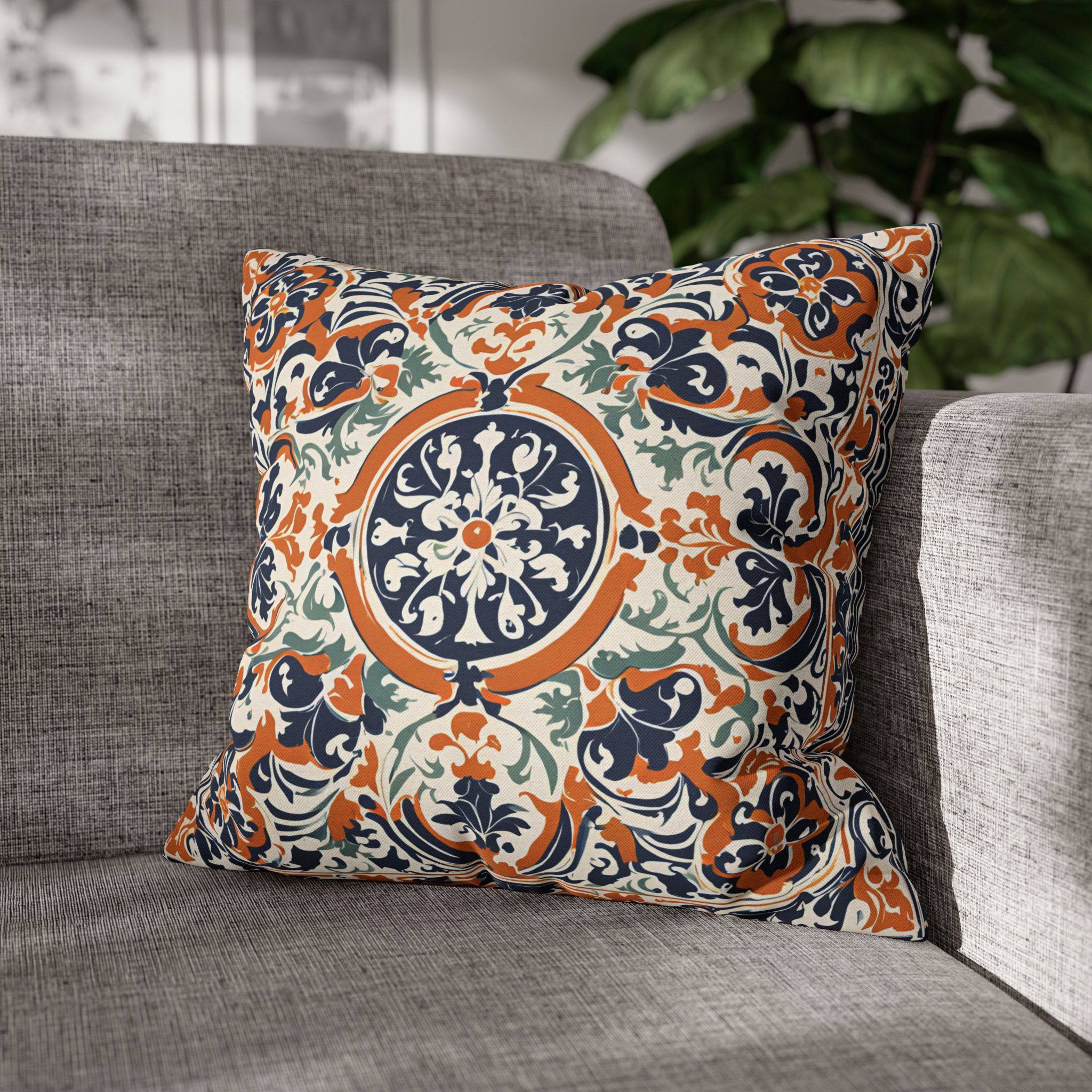
A terracotta tile design can connect a sofa with clay-colored ceramics or warm wood. Its structured repeat offers a different direction from flowers or a central rug motif.
Crimson roses on forest green suit a deeper palette. Use them where the green connects with an existing element, and leave a lighter area nearby if the furniture is already dark.
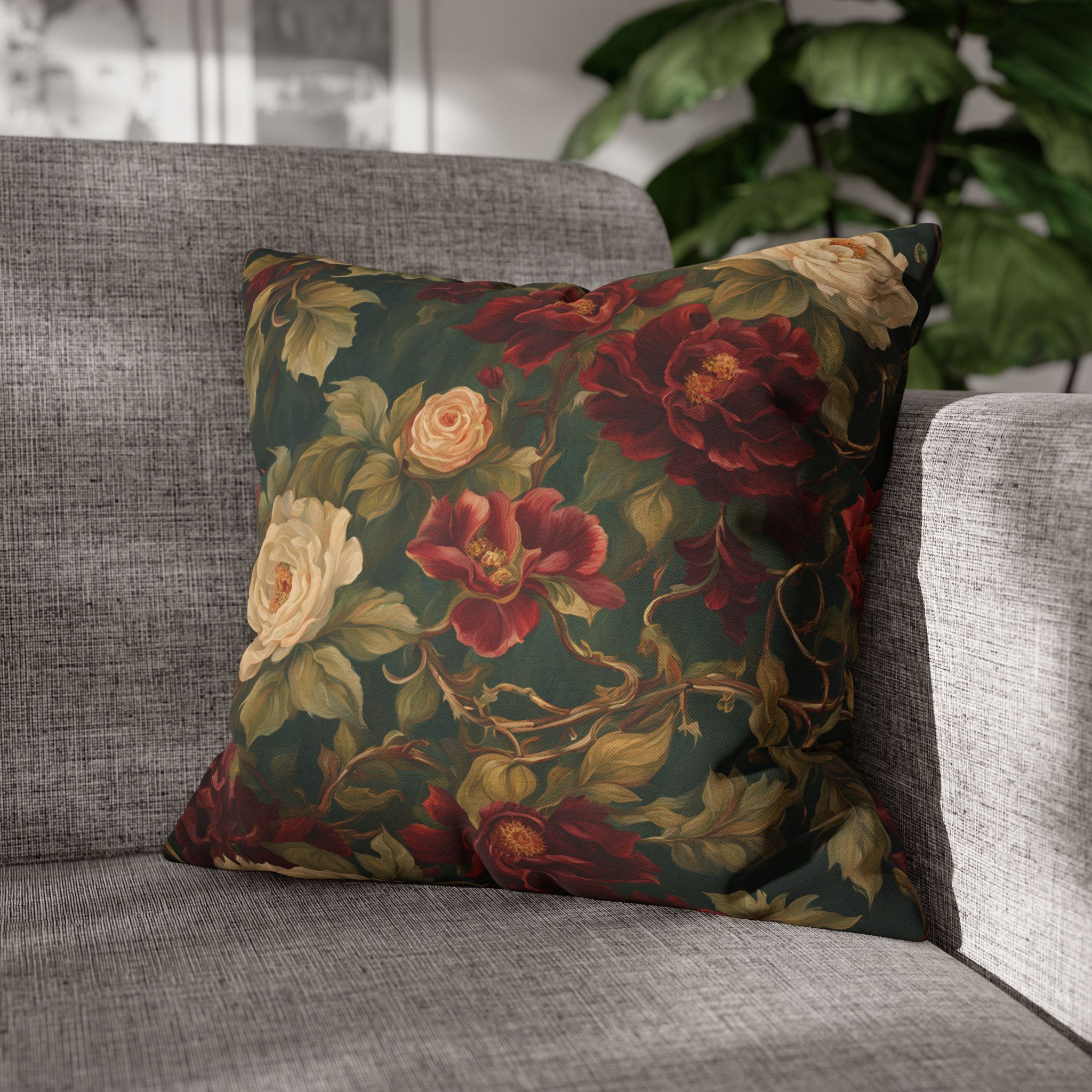
Carry the palette into another room only if it helps. A small connection between the living room and a bedroom can feel coherent, but every room does not need the same pillows or the same seasonal treatment.
Test the refresh in a simple order
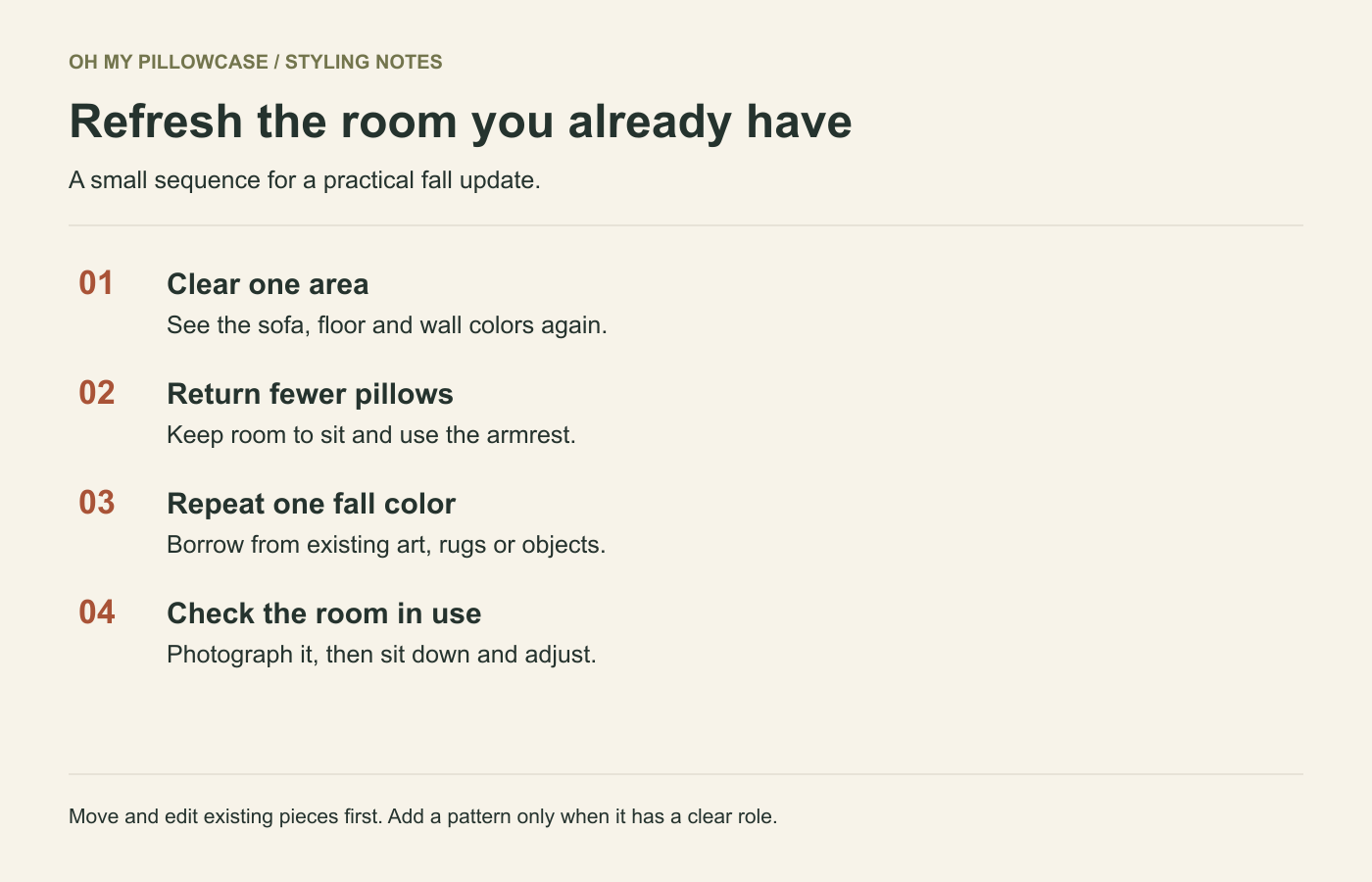
Change one element at a time so you can see what actually improves the room. If you remove clutter, move the lamp and add four pillows at once, it becomes harder to identify which change solved the original problem.
| Step | Action | What to check |
|---|---|---|
| 1 | Clear the sofa and nearest table | Which colors and shapes remain dominant? |
| 2 | Return one or two pillows | Is there enough room to sit comfortably? |
| 3 | Add one connecting color | Does it relate to the rug, art or furniture? |
| 4 | Move one existing object nearby | Does the connection feel natural? |
| 5 | Photograph the room from the doorway | Is anything crowded, isolated or too dark? |
A cream, charcoal and madder banded cover can be useful if your first trial has too many rounded or detailed motifs. It adds directional structure while staying within a warm palette.
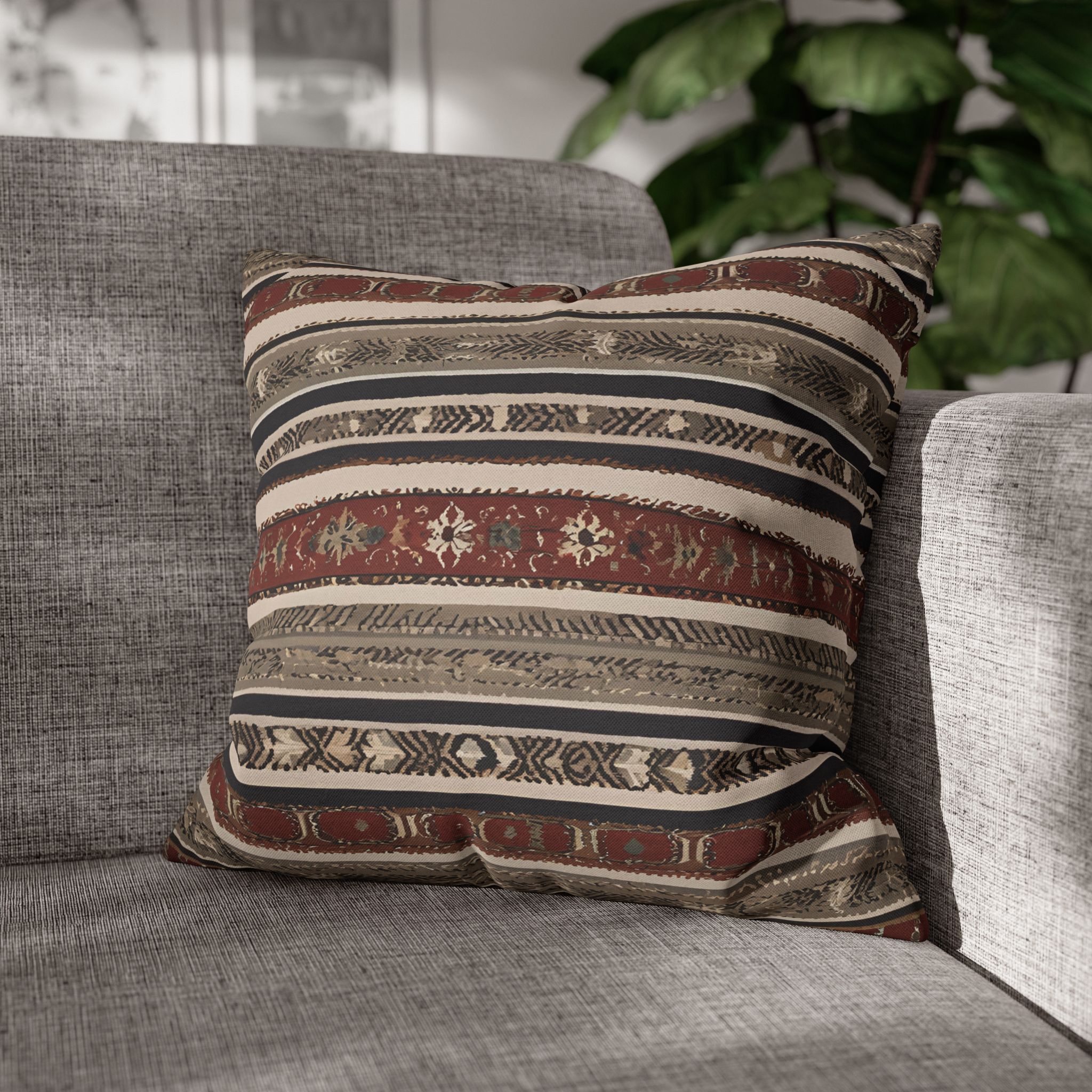
Use the photograph to check balance, then check the room in person. A sofa can look neatly arranged and still be uncomfortable. Keep the changes that work in both views and remove anything that creates extra daily effort.
All the featured Oh My PillowCase designs are printed covers, not a change to the furniture itself. They are 100% polyester with double-sided prints and concealed zippers, made to order in seven square sizes. Inserts are not included, so reuse compatible inserts where appropriate and check fit before choosing new covers.
Frequently asked questions
How can I refresh my living room for fall without new furniture?
Clear one area, repeat a warm color from the room and rearrange a small number of pillows. Try moving an existing throw or object before adding anything else.
Do fall decorations have to include pumpkins or leaves?
No, a shift toward rust, olive, madder red or deeper florals can suggest the season through color. Choose patterns that also make sense with your furniture beyond fall.
What should I change first in a room that feels tired?
Remove the extra objects and textiles from one focal area so you can see its underlying balance. Then return only the pieces that support the room’s use and the color direction you want.
For warm geometric options, browse boho pillow covers.